Table of Content
The sunlight may interact with these chemicals in your body which is then detected as foreign invaders. Your immune system becomes reactive producing allergy symptoms. The same reaction can also result from chemical products applied on the skin or oral medication after exposure to the sun.

Even though photosensitivity occurs in both males and females of any age and race, people with lighter skin and lighter eyes are especially prone to developing it. An individual may fall anywhere between mild and severe on the photosensitivity spectrum. This means that they may need very little time in the sun to develop a rash, or a longer period of time than normal. The severity of the sunburn or rash also varies by individual. The most effective treatment for sun allergy is avoiding sun exposure.
Do I have an itchy rash that occurs only on sun-exposed skin?
Your healthcare provider may perform additional tests to rule out other clinical conditions to arrive at a definitive diagnosis. Tanning consists of a wide variety of ways to accomplish that golden glow. The benefits of tanning continue to be discovered and are unknown to many.

There is an obvious boundary between affected skin and skin covered by clothing or jewelry. Juvenile spring eruption sufferers develop rashes on the tops of the ears and nowhere else. Reapply every two hours or more often if you’re sweating or swimming. Use protective items, including wide-brimmed hats, long sleeves, pants and window films to block the sun’s rays. At the start of spring and summer, gradually increase the amount of time you spend in the sun. Phototherapy, a long-term treatment that uses repeat exposure to light to try to build your skin’s tolerance.
Allergies Home
A severe hereditary form of PMLE more common in people of Native American descent often involves a rash around the mouth. There are a number of different ways that sun exposure can cause skin rash. The most common is through ultraviolet radiation, which can damage the skin and lead to inflammation. This can happen even if you are only in the sun for a short period of time. UV radiation is a known risk factor for a number of skin conditions, including skin cancer.
This is another condition that results in ‘hives’ or raised red itchy patches on the skin, caused by an increase in body temperature. It can be triggered by exposure to sunlight but also hot showers, exercise or even spicy foods. In this form, the allergic reaction is triggered by the effects of sunlight on a chemical applied on the skin.
Solar Urticaria
People with severe or persistent rashes, on the other hand, may need medication to get rid of sun poisoning. However, if the condition becomes severe, it can result in permanent damage. When a sun rash is treated, it may be easier to tolerate and, in some cases, prevent it from spreading. Medications, home remedies, and topical creams are all options for treating the condition. Repeated exposure to sunlight is used to induce a desensitizing process known as phototherapy. Oral steroids can be taken prior to sun exposure for a low dose.

If new medication will make your skin’s reaction worse, you should consult with your doctor. Make sure you use a broad-spectrum sunscreen with a high SPF to protect yourself from both UVA and UVB rays. During the summer, avoid contact with any chemical that may cause a rash.
Why are my arms itchy after being in sun?
Actinic prurigo — This inherited form of PMLE occurs in people of American Indian background, including the American Indian populations of North, South and Central America. Its symptoms are usually more intense than those of classic PMLE, and they often begin earlier, during childhood or adolescence. Several generations of the same family may have a history of the problem. Furocoumarins in sap of fig tree are the main cause of its irritability when come in contact with the skin. The main symptoms are burning sensation and pain, itchy erythema, and edema, which usually begin 24 h after exposure. The leaf and root sap of the fig tree are the most potent parts causing irritant reaction.
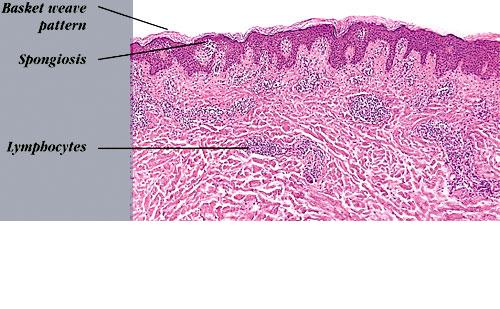
Skin rash is also a common symptom of sunburn, which is caused by overexposure to UV radiation. Sunburn can cause serious damage to the skin, and can even lead to death. If you experience sunburn, you should seek medical attention immediately. In some cases, sun exposure can also cause an allergic reaction, which can lead to a rash. This is more likely to occur if you have a history of allergies or if you are exposed to a new substance.
Different types of artificial tanning made their way into our generation and continue to gain popularity. Naturally tanning, believed to be healthier for our skin, isn’t always the case. But, risks of tanning also provokes the people against tanning. Skin cancer became a threat in 1980 when scientists realized tanning was a risk for receiving skin cancer (). “One in every three cancers diagnosed worldwide is skin cancer” (/mediacentre). The majority of sun rashes can be resolved on their own within 10 to 14 days, according to her.
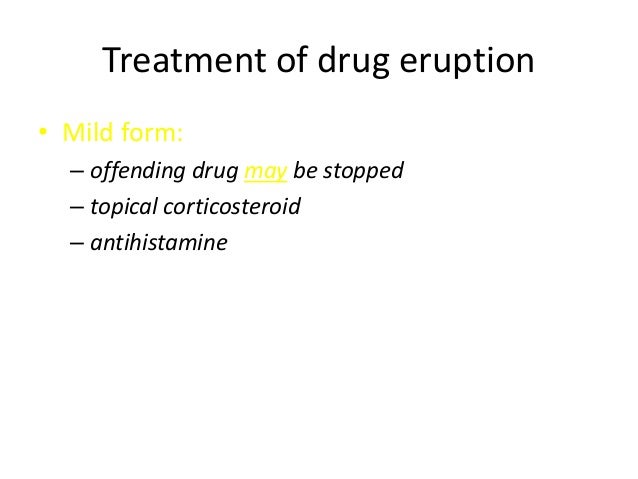
Topical corticosteroids, physical barriers, reduced sun exposure, and broad-spectrum sunscreens may prove useful. Sun exposure can cause sunburn, but medications interact with sunlight to cause sun poisoning. The skin on the affected area may develop a rash that lasts a few days to weeks as a result of sun poisoning. It usually looks like a target or bull’s-eye, and it can cause quite a bit of itchiness.
Patient of all skin tones can develop skin allergies to the sun. This form can be shown by an itchy red rash or tiny blisters, in rare cases, the reaction may spread to other parts of the body covered with clothes. This is because the reaction is said to be a form of delayed hypersensitivity reaction.
Itching and burning may occur and the rash may last for several days. In some people, the reaction to sunlight gradually becomes less with subsequent exposures. Solar urticaria, also known as sun allergy, is a rare allergy to sunlight that causes hives to form on skin that’s exposed to the sun.
With continued sun exposure over the summer months, skin can sometimes become resistant, lessening the likelihood of an allergic reaction. Treatment — Identify and stop using the medication or product that triggers the sun allergy. If symptoms persist, photoallergic eruption can be treated with a corticosteroid cream until the true culprit is identified. Race — The most common type of sun allergy occurs mostly in Caucasians. A hereditary form of PMLE is common in people of Native American ancestry.
Echinacea can be taken a number of times a day, as suggested by an herbalist. Taking in two or 3 Echinacea capsules two times a day can relieve severe headaches and also other kinds of headaches. Other natural remedy for headaches consist of drinking herbal tea made with burdock, kava, or peppermint.




No comments:
Post a Comment